Introduction
In the digital age, having a strong online presence is essential for businesses of all sizes. Whether you’re a small local business or a large corporation, your website serves as the face of your brand. Among various platforms available to build websites, WordPress stands out as one of the most popular choices due to its user-friendly interface and extensive customization options. In this comprehensive guide, we’ll delve into WordPress Web Design: Best Practices for Maximum Impact, exploring how you can leverage effective design strategies to enhance your site’s performance and achieve your digital marketing goals.
Why WordPress?
WordPress powers over 40% of all websites on the internet today. It is not just a blogging platform but a full-fledged content management system (CMS). With thousands of themes and plugins available, it offers endless possibilities for creating beautiful websites that are optimized for both users and search engines.
Understanding the Basics of WordPress Web Design
What is WordPress Web Design?
WordPress web design refers to the process of creating visually appealing and functional websites using the WordPress platform. This encompasses theme selection, layout design, color schemes, typography, and more. Effective web design plays a crucial role in user engagement and conversions.
The Importance of Good Web Design
Good web design is not merely about aesthetics; it significantly impacts user experience (UX) and therefore affects your SEO strategy. A well-designed website can increase website conversions by making it easier for visitors to navigate and find information they need.
Core Elements of WordPress Web Design
Themes: Choose responsive themes that adapt to different screen sizes. Plugins: Utilize essential plugins to enhance functionality. Layout: Create intuitive layouts that guide users through their journey. Typography: Use readable fonts that align with your brand identity. Color Schemes: Select colors that evoke the desired emotions in visitors.SEO Fundamentals in Web Design
Search Engine Optimization (SEO) Basics
Search engine optimization is vital for improving your website’s visibility on search engines like Google. A solid SEO strategy involves keyword research, on-page optimization, backlinking, and technical SEO.
How Does SEO Affect Web Design?
Web design directly influences your SEO efforts. A clean design with proper HTML structure helps search engines index your pages effectively. Additionally, fast-loading pages reduce bounce rates, which further boosts rankings.
Local SEO Strategies for WordPress Websites
If you're targeting local customers, implementing local SEO techniques is crucial:
- Optimize meta descriptions with local keywords. Create location-specific landing pages. Register on Google My Business.
Creating User-Friendly Navigation
Importance of Intuitive Navigation in Web Design
Navigation is one of the key elements that determine whether users stay on your site or leave immediately. An intuitive navigation system allows users to find what they need quickly without frustration.
Best Practices for Website Navigation
Keep it simple: Limit menu items to avoid overwhelming visitors. Use descriptive labels: Clearly describe what each menu item leads to. Implement breadcrumbs: Help users track their location on the site.Mobile Responsiveness in WordPress Web Design
Why Mobile Responsiveness Matters?
With more than half of all web traffic coming from mobile devices, ensuring that your website is mobile-responsive is no longer optional—it's essential! Google also takes mobile responsiveness into account when ranking sites.
Techniques for Ensuring Mobile Responsiveness
- Use responsive themes that adjust seamlessly across devices. Optimize images to reduce loading time on mobile networks. Test your site across various devices before launch.
Utilizing Visual Elements Effectively
The Role of Images in Web Design
Images can capture attention quickly and convey messages faster than text alone. However, they must be used wisely to complement rather than overwhelm content.
Best Practices for Using Images in Your Design
Optimize images: Compress images without losing quality. Use alt tags: Enhance accessibility and improve SEO with descriptive alt text. Maintain consistency: Stick to a uniform style across images (color tone, filters).Content Strategy and Layout Planning
Developing a Content Strategy That Works
A well-planned content strategy aligns with both user needs and business goals while boosting your digital marketing strategy's effectiveness.
Key Components Include:
- Audience research Content calendar Content types (blogs, videos)
Designing Effective Layouts for Content Consumption
Creating layouts that facilitate easy reading can significantly impact engagement:
Use headers and subheaders for structure. Implement bullet points for clarity. Incorporate white space to avoid cluttered designs.Conversion Rate Optimization Techniques in WordPress
What Is Conversion Rate Optimization (CRO)?
Conversion rate optimization involves enhancing elements within your website to increase the percentage of visitors who take desired actions—be it signing up for newsletters or making purchases.
Key CRO Techniques You Can Implement
Clear calls-to-action (CTAs): Make sure CTAs are visible and persuasive. Landing pages: Create dedicated landing pages tailored to specific campaigns or products. A/B testing: Experiment with different designs/layouts to see what resonates best with users.Integrating Social Media Into Your Website Design
Why Social Media Integration Matters?
Social media platforms serve as additional channels where potential customers can discover your business and engage with it further—therefore integrating them into your website can amplify reach.
Best Ways To Integrate Social Media Into Your Website
Add share buttons on blog posts/products: Encourage sharing among readers/viewers Display social feeds: Showcase real-time updates from platforms like Instagram or Twitter Include links: Ensure easy access by linking social profiles clearly on all pagesOptimizing Site Speed For Better Performance
# Ways To Improve Site Speed On Wordpress
1) Optimize images using plugins like Smush 2) Minify CSS/JS files via tools such as Autoptimize 3) Leverage browser caching – consider utilizing WP Super Cache plugin
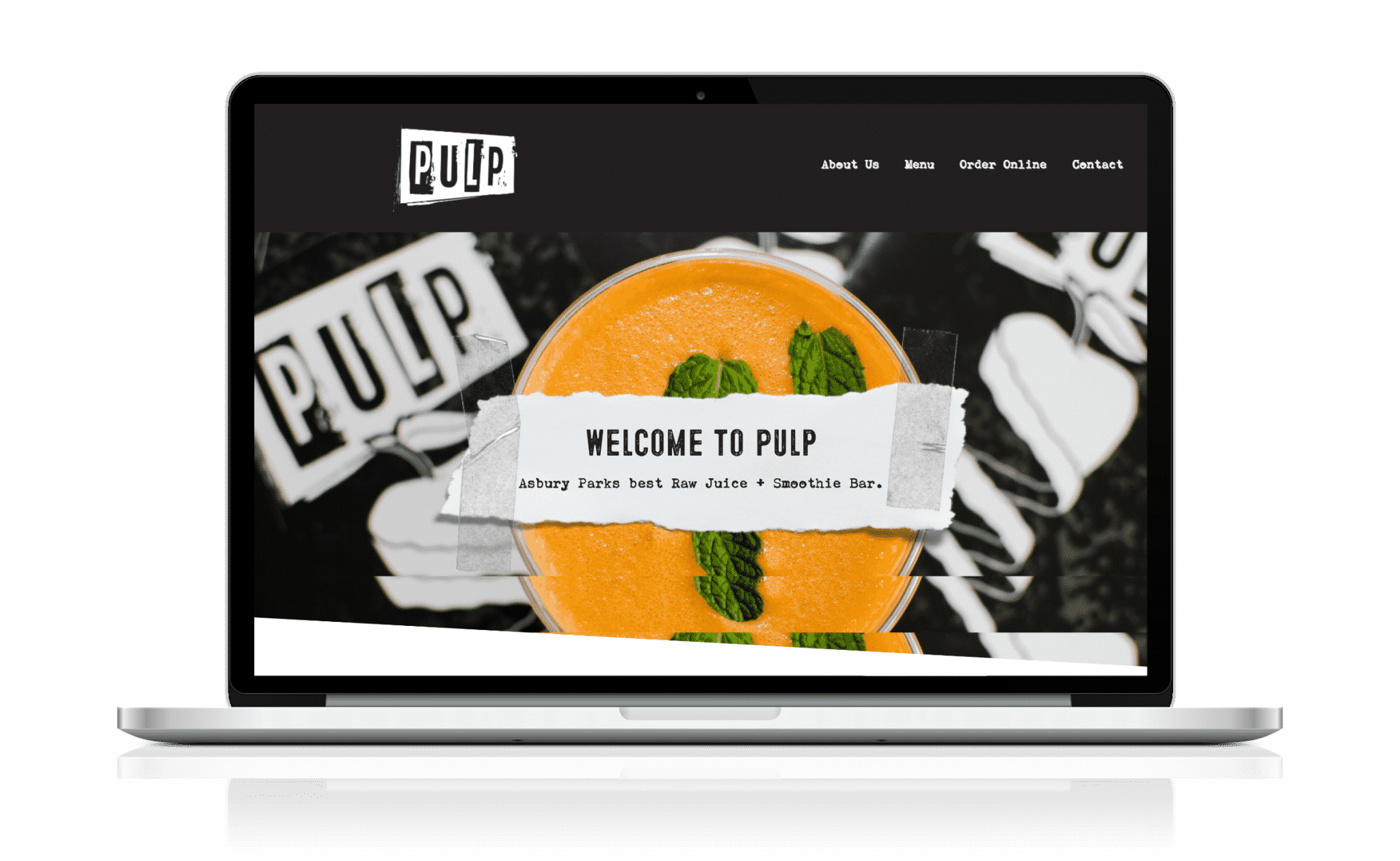
Implementing Effective Call-to-Actions (CTAs)
# digital marketing Crafting Compelling CTAs
- Use actionable language - "Get Started" instead say “Click Here” Employ contrasting colors - Stand out against background Position prominently above fold area
Using Analytics To Inform Your Web Design Decisions
# Key Metrics To Monitor Using Tools Like Google Analytics
1) Bounce rate – Percentage leaving immediately after visiting single page 2) Average session duration – Time spent browsing before exiting
3) Conversion funnels – Track paths taken until completing desired action
Choosing The Right Hosting Provider For Your Needs
# Factors To Consider When Selecting A Hosting Service
- Uptime guarantee – Aim above 99% Customer support availability - Access via chat/email/phone? Scalability options – Can easily upgrade plans if needed later?
Ensuring Security Measures Are In Place For Protection
# Strategies For Enhancing Security On Your Wordpress Site
1) Utilize SSL certificates encrypt data exchanged between server & browser 2) Regular updates ensure vulnerabilities patched promptly
3) Strong passwords combined multi-factor authentication limit unauthorized access
Customizing User Experience Through Personalization Techniques
# Effective Personalization Tactics For Websites
- Recommend products based previous visits/preferences Targeted promotions sent via email campaigns aligned interests Dynamic content presentation adjusting messages per audience segment
Frequently Asked Questions
What makes WordPress an ideal choice for web design?
Wordpress offers flexibility through countless themes/plugins catering diverse business needs while being relatively easy-to-use even without coding expertise!
How does web design impact SEO performance?
A well-designed site enhances navigation/user experience leading lower bounce rates which positively influences search rankings thereby boosting overall visibility within SERPs!
Can I improve local SEO through my website’s design?
Absolutely! Incorporating location-specific keywords/meta tags alongside creating dedicated landing pages fosters better relevance attracting localized traffic effectively!
What are some quick wins I can implement now regarding conversion rate optimization?
Focus first converting high traffic areas wordpress web development by testing different CTAs/colors/location then analyze results iteratively refining approach continuously thereafter!
Is mobile responsiveness really necessary nowadays?
Yes indeed! With over half global traffic originating from mobiles ensuring adaptability across devices isn’t just beneficial but critical sustaining competitive edge too!
How often should I update my site's content/design features?
Regularly reviewing/updating at least quarterly ensures freshness relevant trends maintained keeping audience engaged interested continually over time!
Conclusion
In conclusion, mastering effective web design practices within the context of WordPress can dramatically influence how well you perform online—not just aesthetically but functionally too! By focusing on elements like mobility responsiveness alongside thoughtful integration social media functionalities ultimately leads increased user engagement thereby maximizing impact overall digital marketing strategy pursued successfully paving roads towards achieving business objectives long-term efficiently!
With comprehensive understanding gained here concerning best practices surrounding “Wordpress Web Design”, armed equipped knowledge alongside dedication will surely empower navigate future challenges confidently ahead!